Coburg Islamic Centre
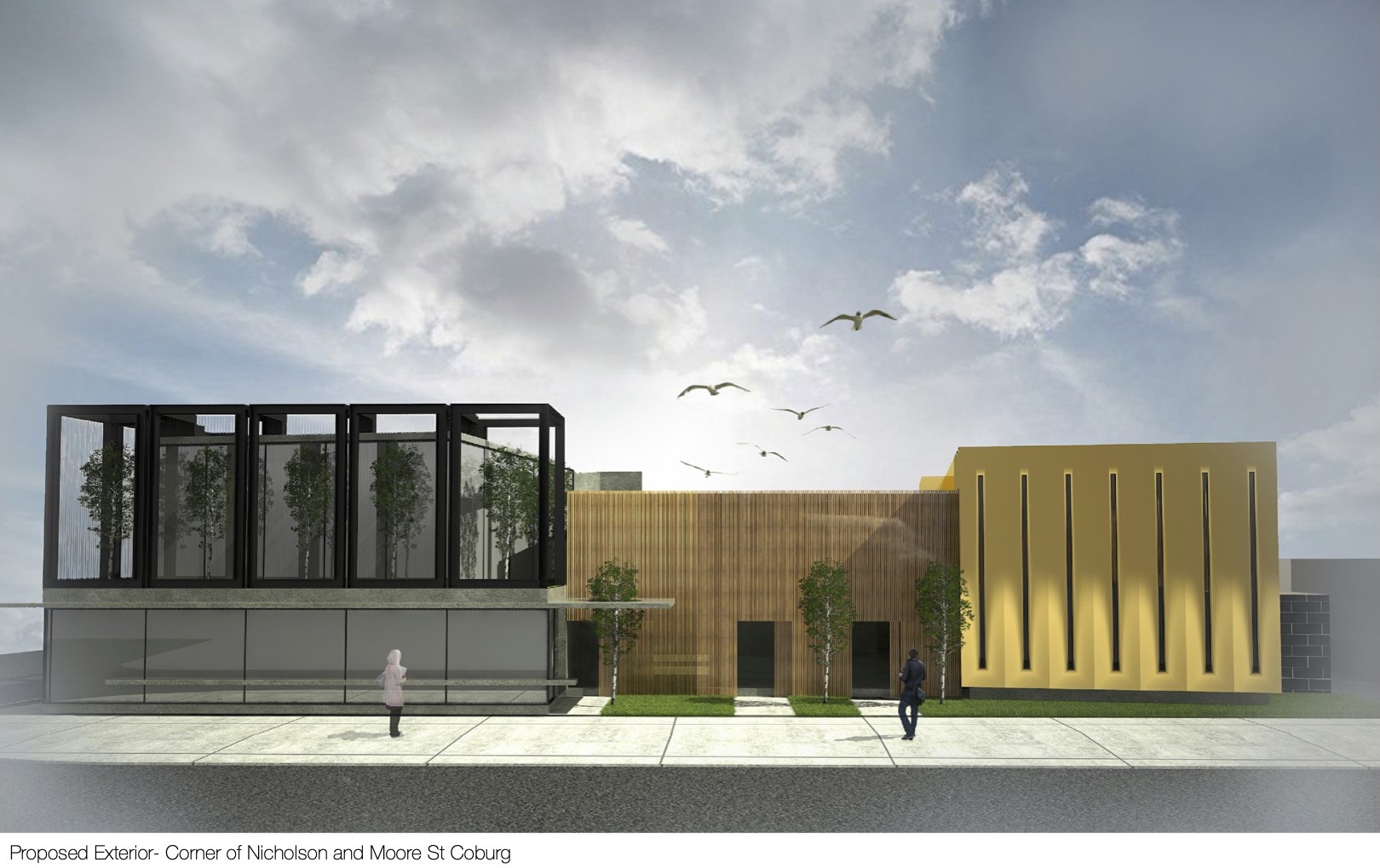
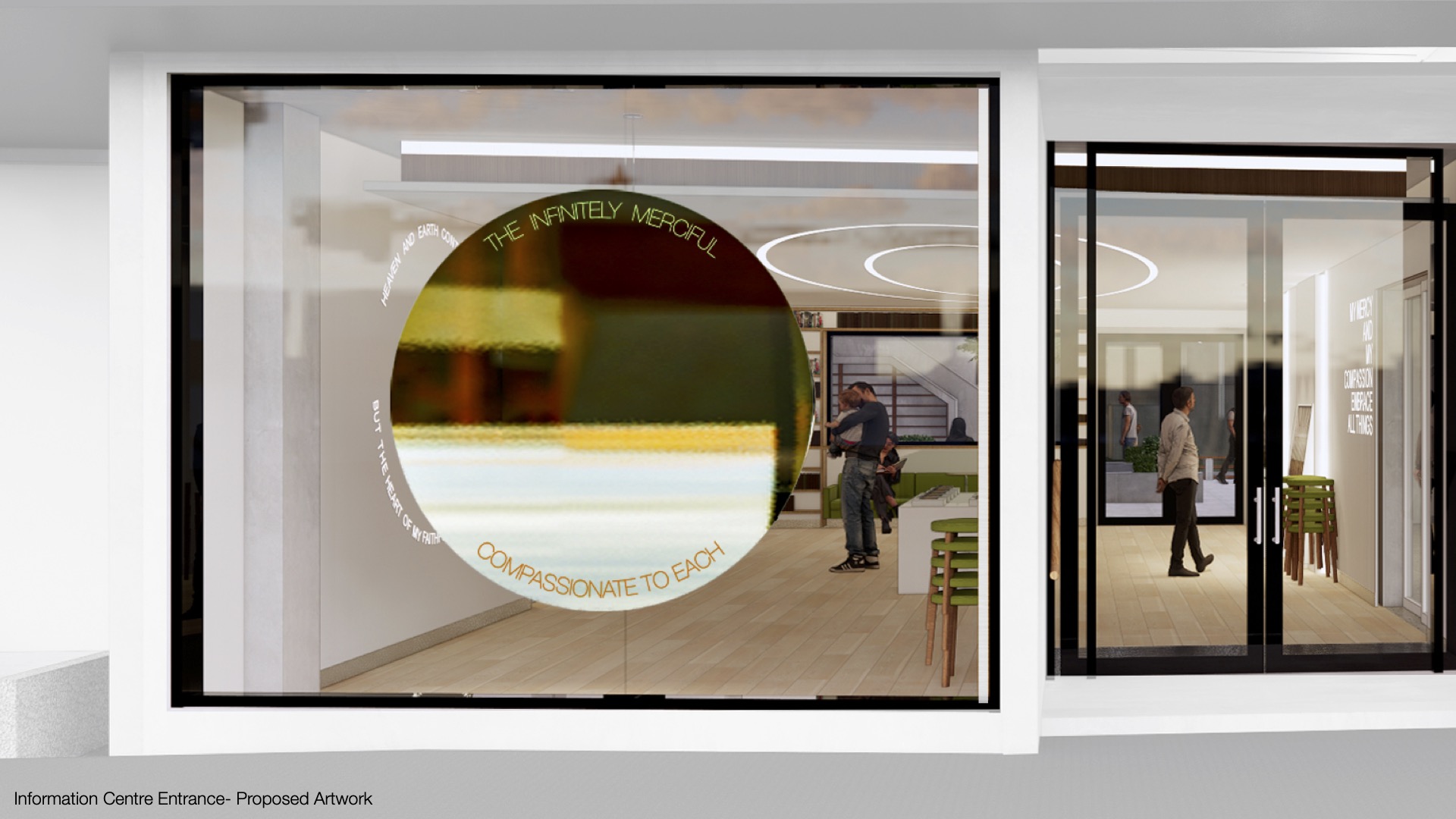
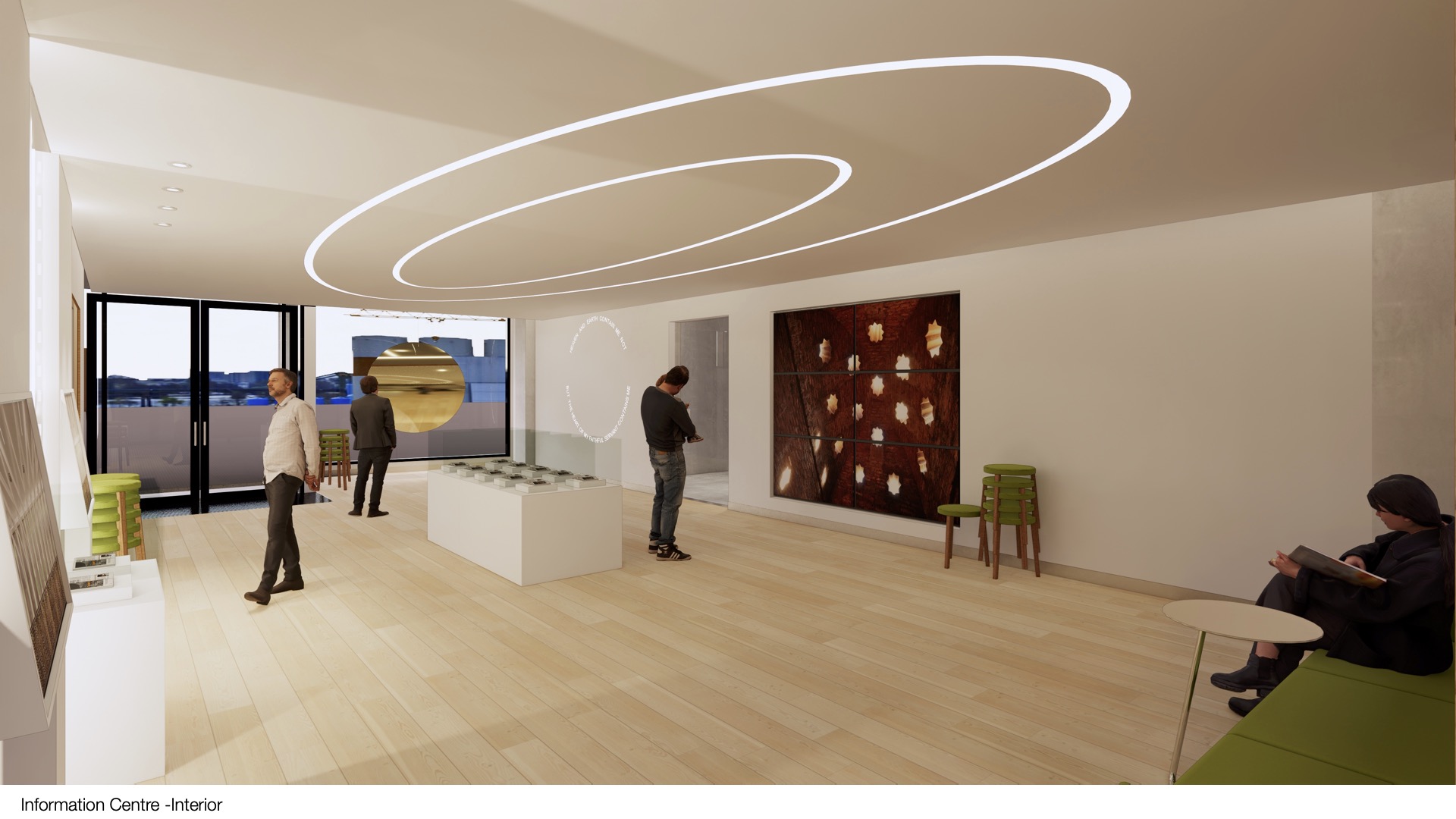
The new Coburg Islamic Centre opened in 2025 after 10 years of planning, community fundraising and construction by members of the Turkish community, integrates contemporary architectural approaches and technologies whilst incorporating traditional Islamic aesthetics and ideas of interiority.
The original Coburg Mosque was built on the same site in the early 1970’s by migrants from Turkey making it one of the oldest mosques in Melbourne At its opening by Prime Minister Gough Whitlam the mosque was celebrated as exemplifying his party’s commitment to multiculturalism in Australia after the end of the notorious white Australia policy.
Whitlam’s speech encouraged the new Muslim community to “Ensure unity and to preserve culture and identity and learn from the experience of the early Muslim population in Australia”. Here Whitlam alluded to the earlier waves of Muslims from Afghanistan and even the now well documented cultural and economic exchange between Macassan traders whose relationship with indigenous peoples in the north of the continent predates white settlement by hundreds of years.

The earlier Coburg Mosque

Gough Whitlam opening the Mosque in 1977
The design of the new Islamic centre has an important genesis – embodied in Whitlam’s speech. The design seeks to serve the needs of the contemporary Muslim community in the inner North of Melbourne as well as respond to the changing multicultural conditions of contemporary Australia by providing a space of welcome and education for broader audiences.
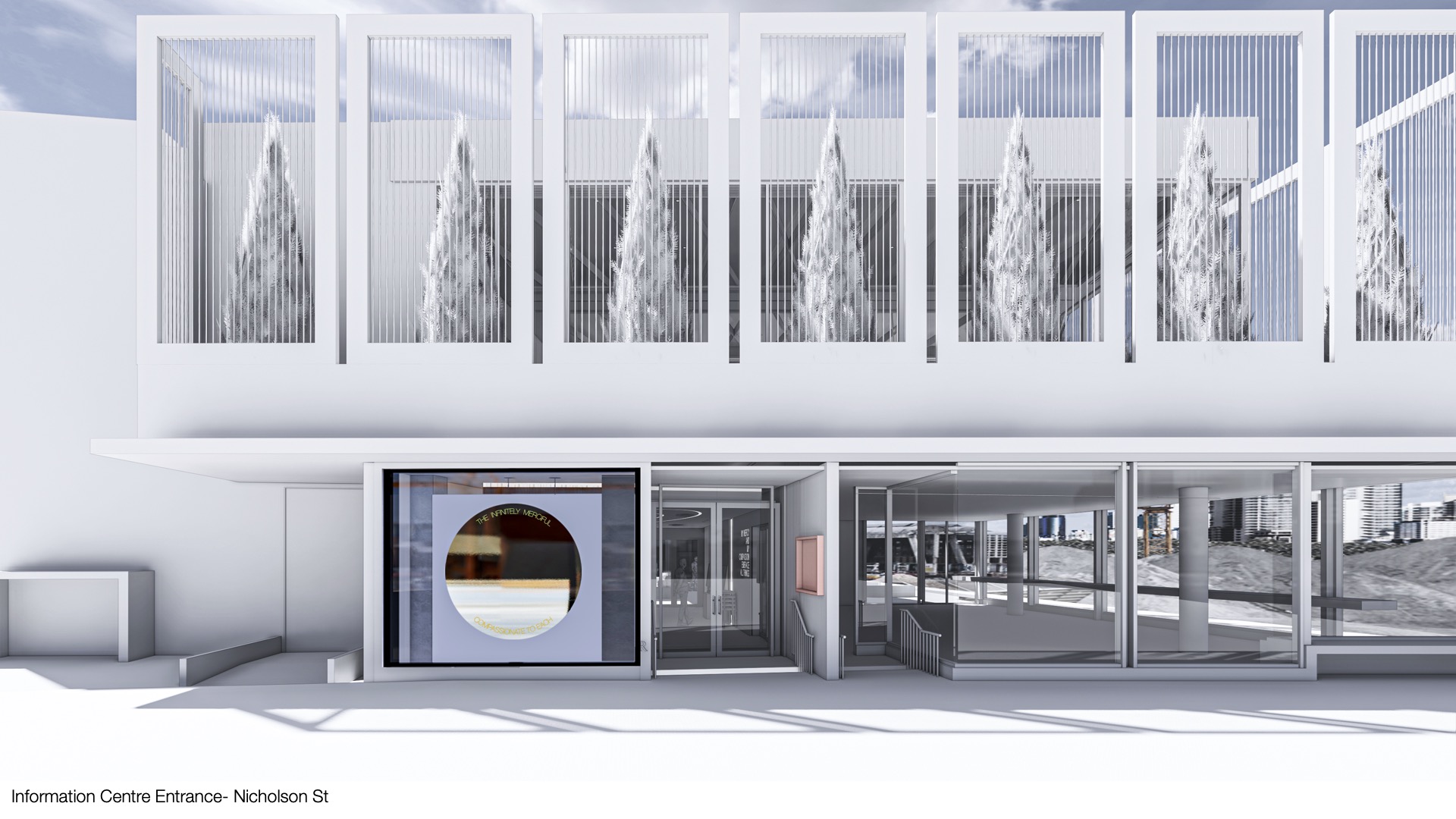
The Coburg Islamic Centre committe’s question to me has been how to make a welcoming threshold for the broader Australian community and a space that symbolises friendship and unity.
Located in Melbourne’s inner North, the centre provides a place of worship for well over a thousand people weekly. In addition, the CIC design provides a space of welcome and information for the immediate neighbourhood and wider Australian population. In conjunction with architect Hakan Elevli, interior designers Aydin Cifcioglu and engineers from Polycon, I contributed to conceptual and spatial planning, interior design and artistic consultation.
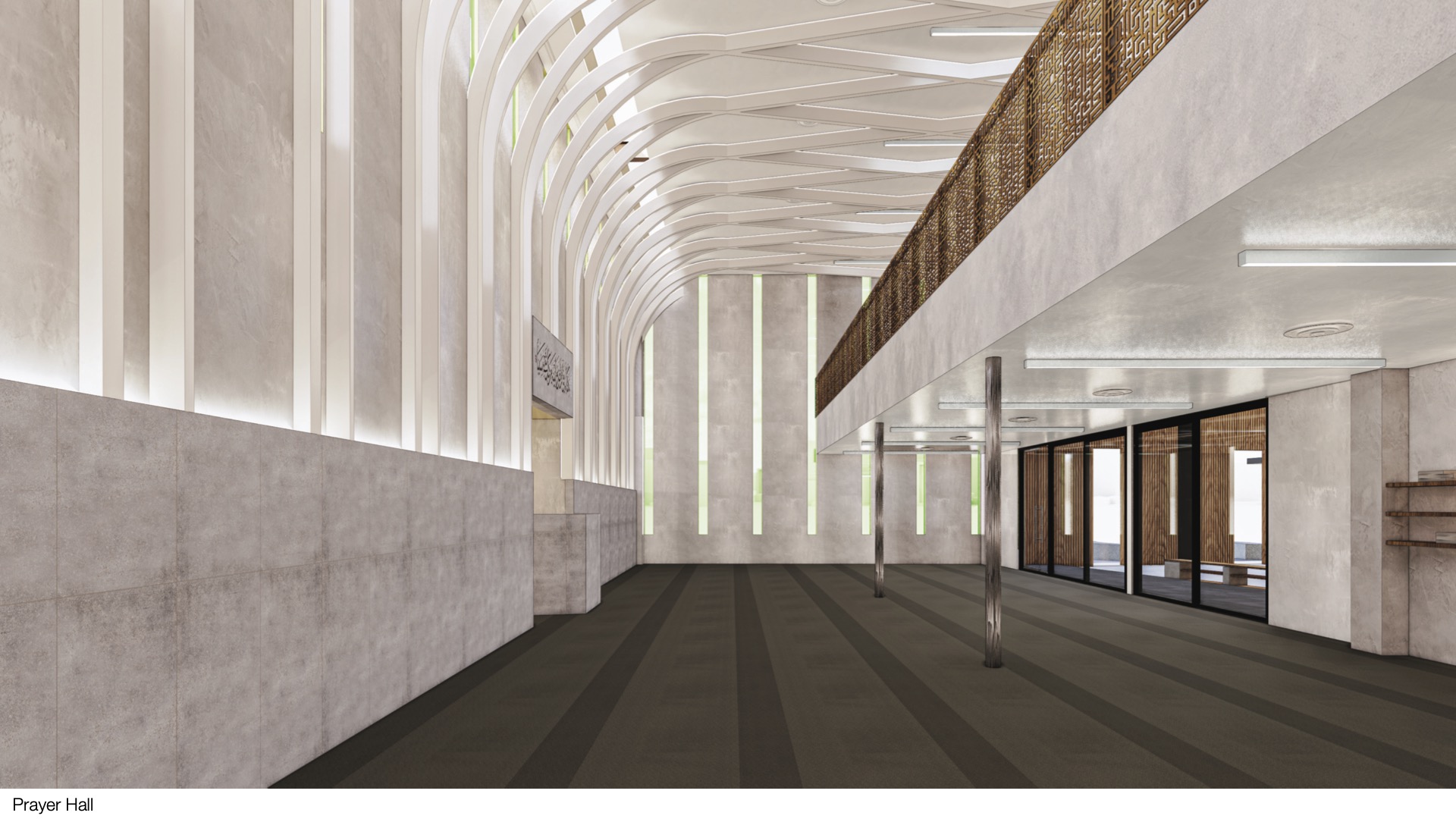
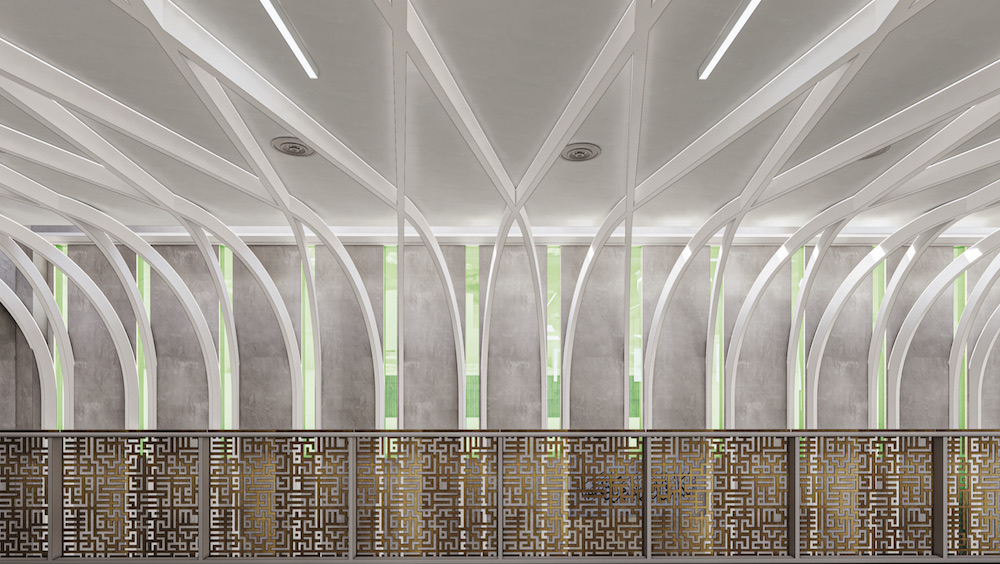
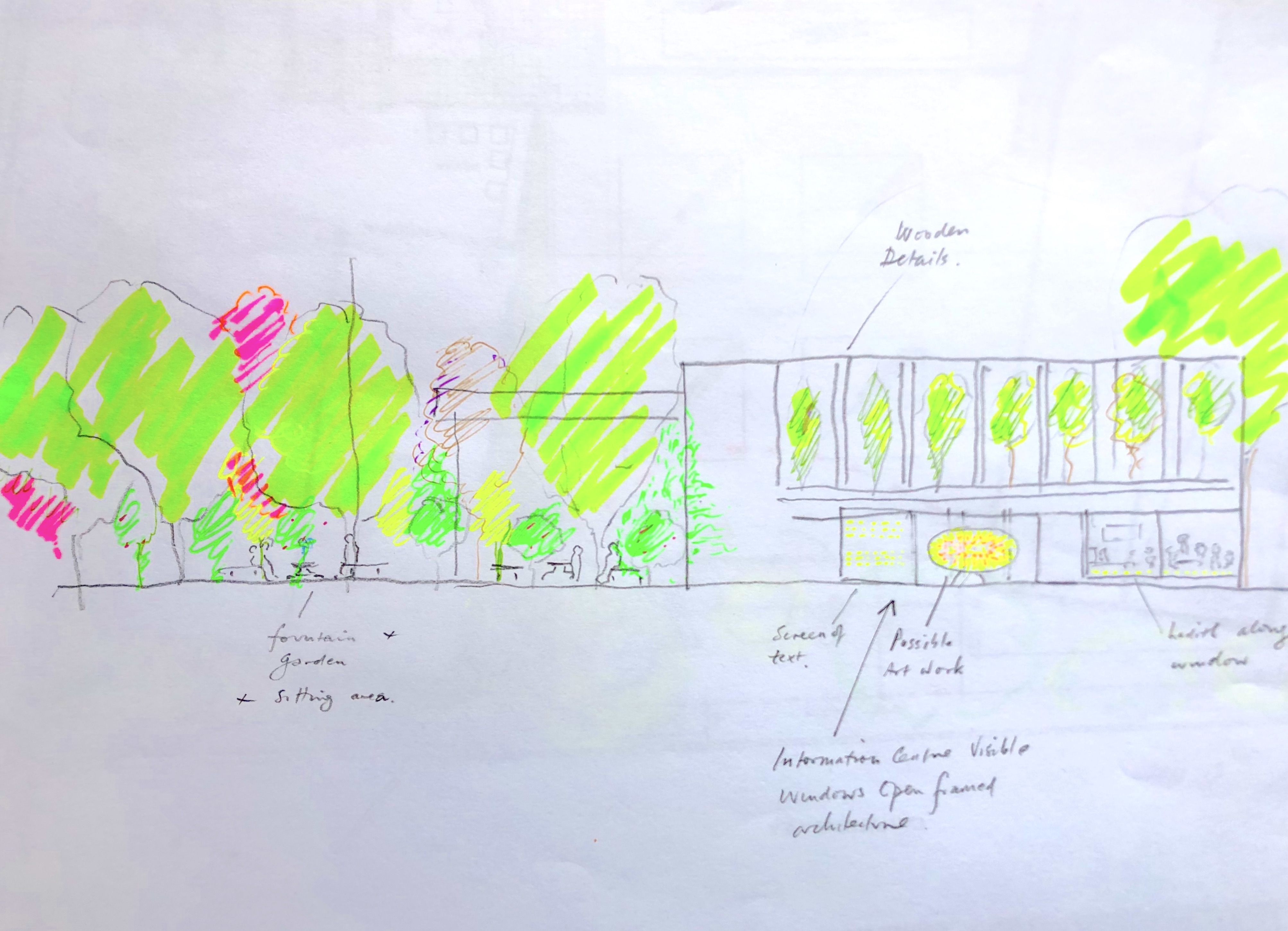
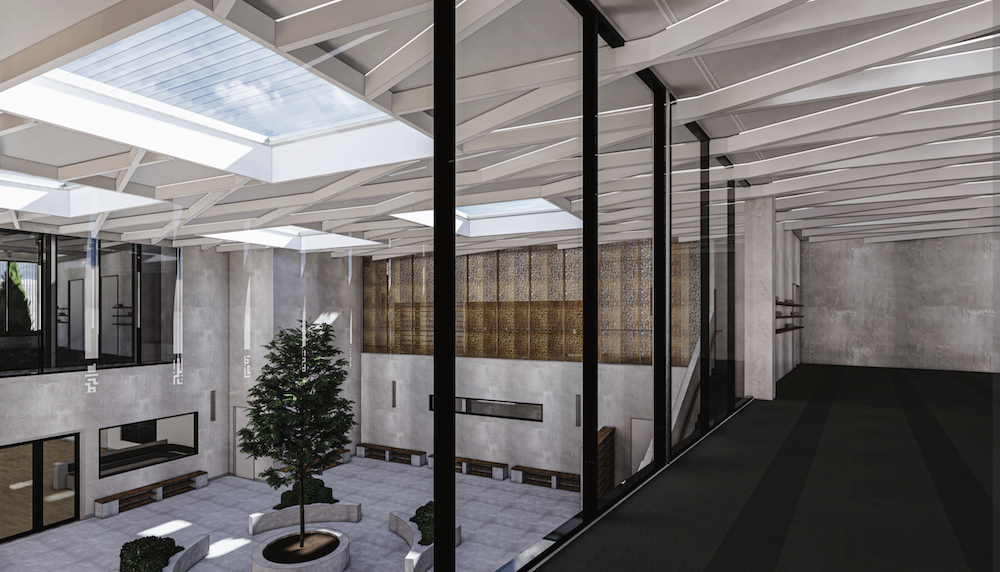
The design of the Coburg Islamic Centre represents a departure from previous mosque typologies in Australia. Rather than using Ottoman idioms such as the minaret and dome, the design combines contemporary urban architectural styles and fabrication processes whilst incorporating traditional Islamic motifs of courtyard, screening, and responsive adaptation to light, water and nature.






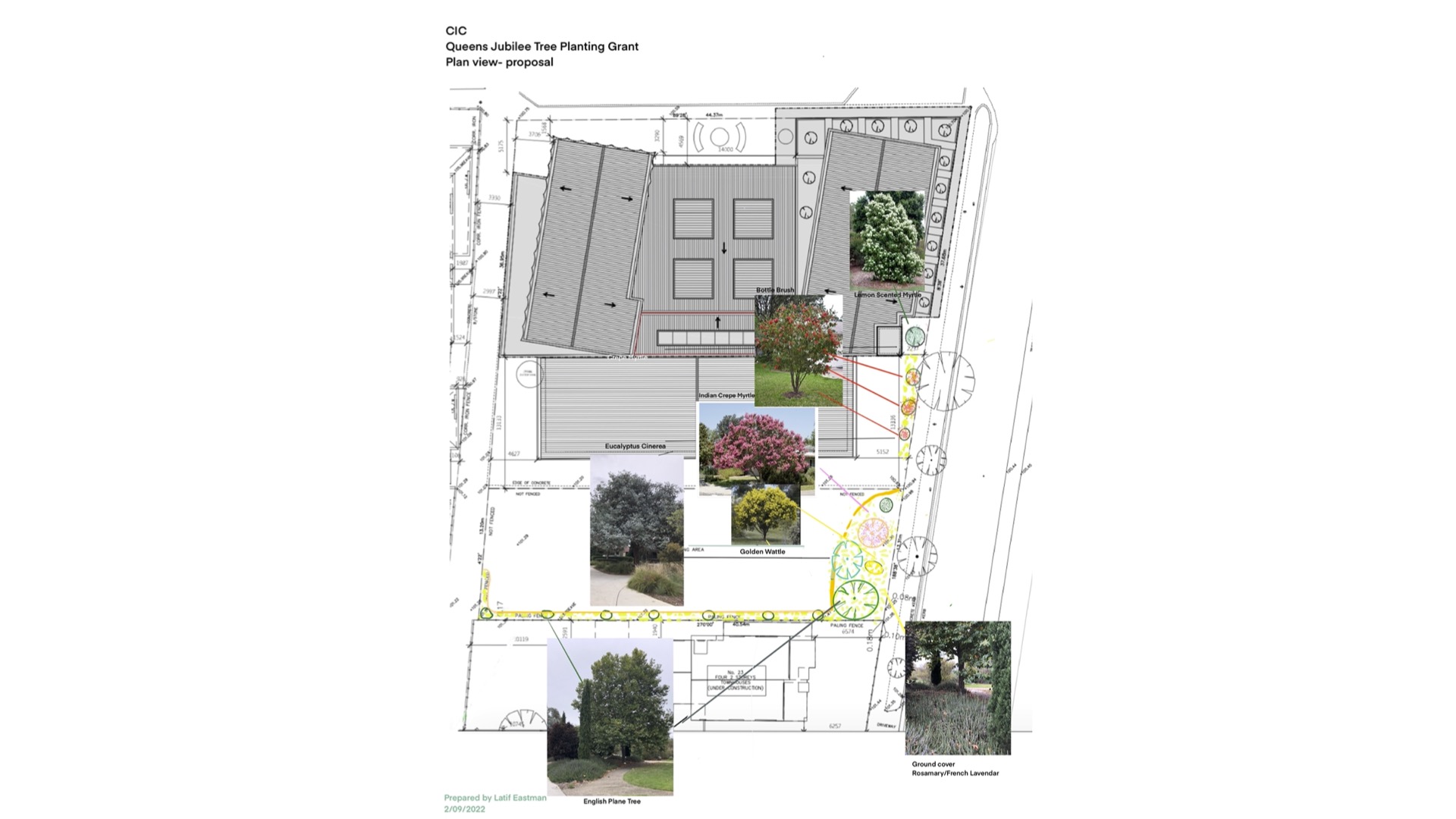
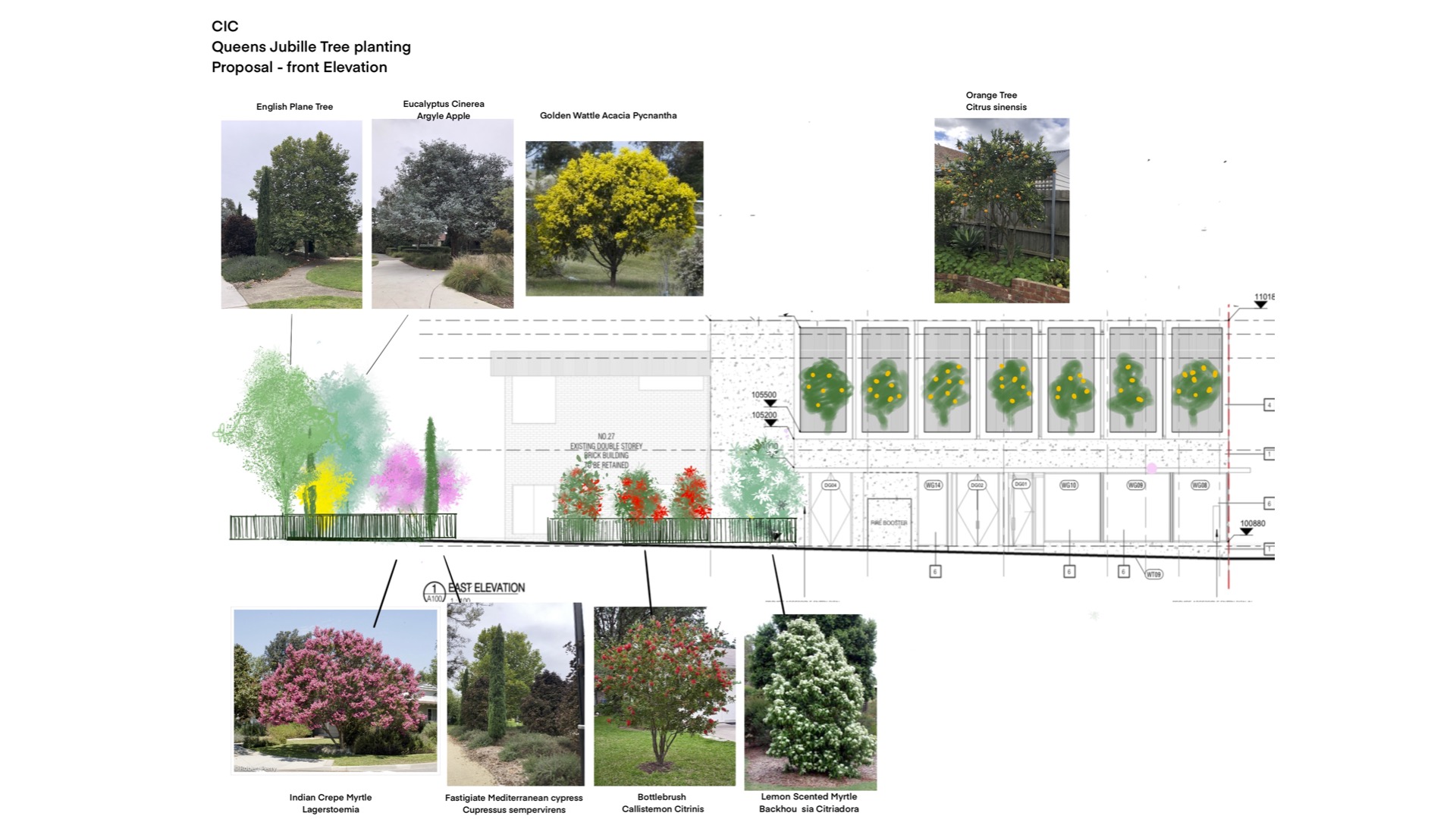
Ummah Garden Design
The Rebuilt Coburg Islamic Centre
The new centre design is deliberately intended to work with thresholds of light, reflection, adaptable screens and flexible spaces to help facilitate a conversation with the local setting and population through its unique approach to contemporary aesthetics and traditional Islamic concepts. These approaches contribute to the recent rise of contemporary Australian mosque idiom that create a space of currency and relevance to contemporary audiences and which seek to fulfill Whitlam’s encouragement to the Muslim community to strive for unity with the wider Australian culture whilst preserving tradition.

 Courtyard

 Courtyard ceiling louvers


